|
Ranjani Koushik I'm a B.S Senior at Georgia Tech, interning at Google Research this summer in Seattle. I am mentored by Ratan Murty where I work on predicting the brain using encoding models. I am seeking Fall 2027 PhD positions! Previously I've worked at Georgia Tech Research Institute predicting plant disease using computer vision, and the PAIR lab on robot simulation teleoperation. |

|
Research
im interested in computational neuroscience, computer vision by extension, and I enjoy low level programming and operating system concepts. Specifically:
|
|
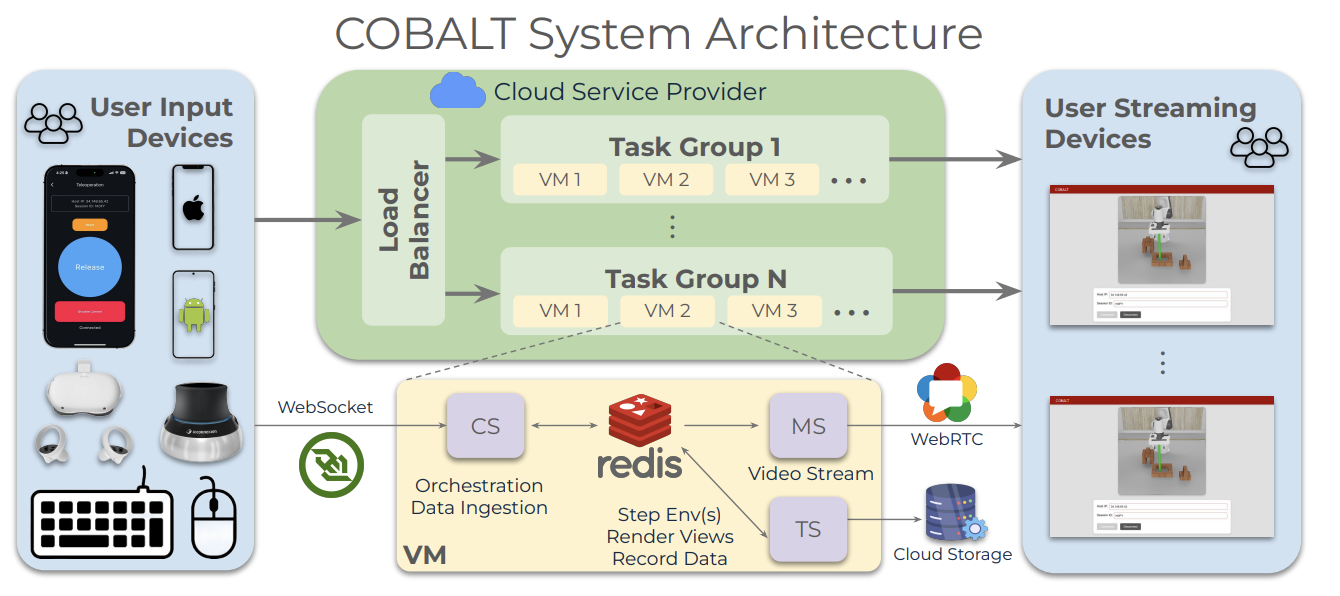
COBALT: Crowdsourcing Robot Learning via Cloud-Based Teleoperation with Smartphones
Ayush Agarwal*, Ansh Gandhi*, Jeremy A Collins, Omar Rayyan, Aryan Sarswat, Ranjani Koushik, Masoud Moghani, Ajay Mandlekar, Animesh Garg ICRA, 2026 paper / website A teleoperation platform that enables uninterrupted, concurrent data collection from multiple users worldwide using everyday devices like smartphones. This work not only significantly reduces teleoperation costs but also demonstrates the scalability of smartphone-based robot learning by successfully crowdsourcing 7500+ high-quality robot demonstrations from 50+ inexperienced teleoperators across nine countries. |
|
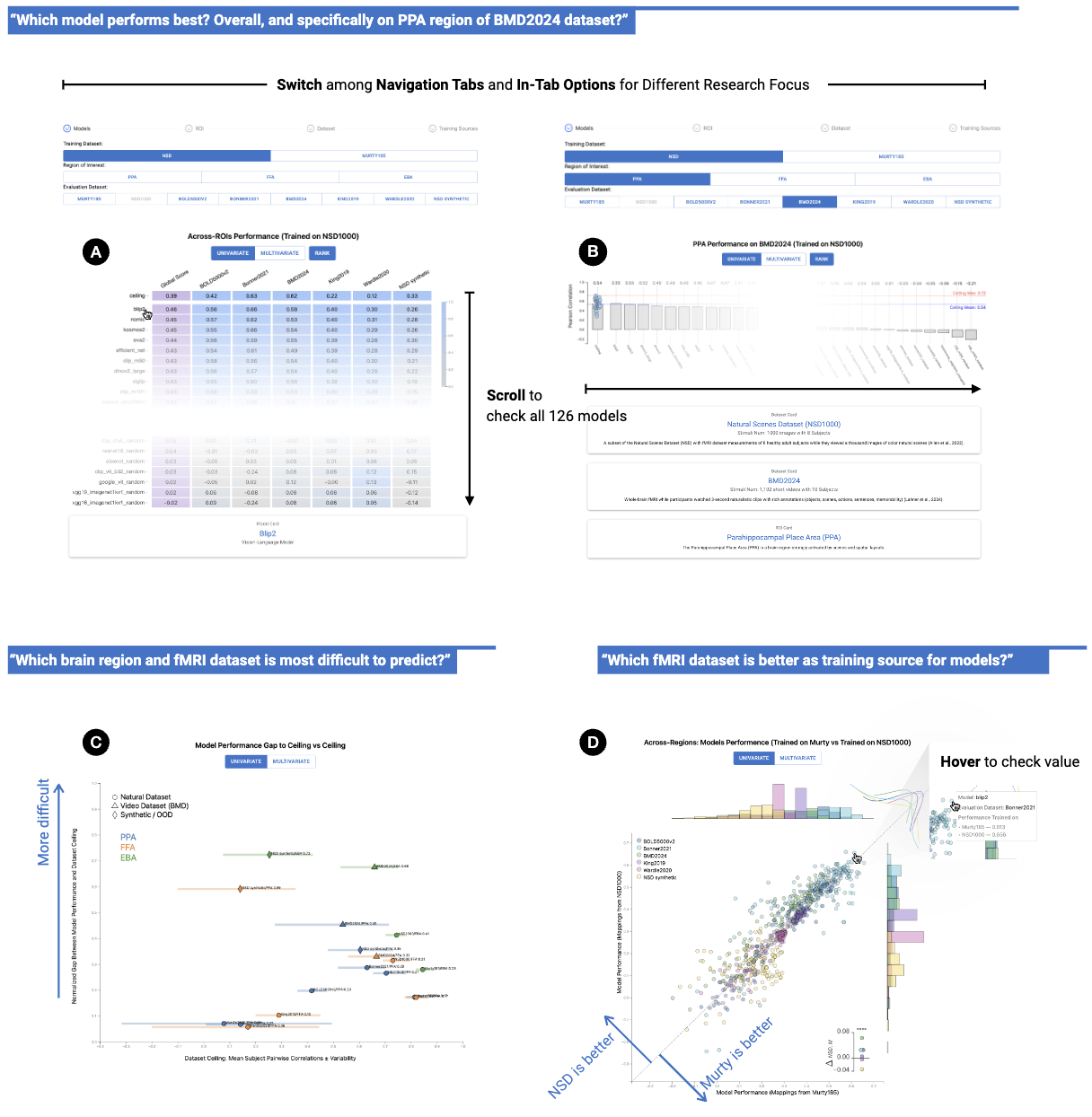
Cortex-Canvas: An Interactive Web Interface for Executing and Evaluating Models of Category-Selective Regions in Human Visual Cortex
Ruolin Wang, Yuxuan Li, Mayukh Deb, Kushal Reddy Dudipala, Kruthik Ravikanti, Sanjana Chillarege, Arya Bhanushali, Ranjani Koushik, Aashraya Katiyar, N Apurva Ratan Murty Proceedings of the Extended Abstracts of the 2026 CHI Conference on Human Factors in Computing Systems, 2026 paper The rapid growth of AI models and large-scale fMRI datasets in NeuroAI has outpaced the tools available for making sense of them. As a result, researchers face growing challenges in understanding which models perform well, which brain regions or datasets remain difficult to predict, and how existing models can be used to explore new scientific hypotheses about the human brain. We present Cortex-Canvas, a web-based interactive system designed to support both structured comparison and hypothesis-driven exploration in NeuroAI research. Cortex-Canvas integrates two complementary components: the Scoreboard, which provides multi-dimensional views of model evaluation across brain regions, datasets, and training sources; and the Lab, which exposes trained brain-encoding models as executable tools, allowing users to upload custom stimuli and test hypotheses through in silico experimentation. |
Miscellanea |
Art |
|
|
Design and source code from Jon Barron's website. |